
Two stages in one
Large crushing ratio combines coarse reduction and fine crushing in a single pass.
Coarse and fine crushing in one compact machine, engineered for limestone, coal, gypsum and other medium-hard materials.
PC series crushers use a high-speed rotor and replaceable grate system to produce a controlled, fine discharge with a simple, maintainable structure.
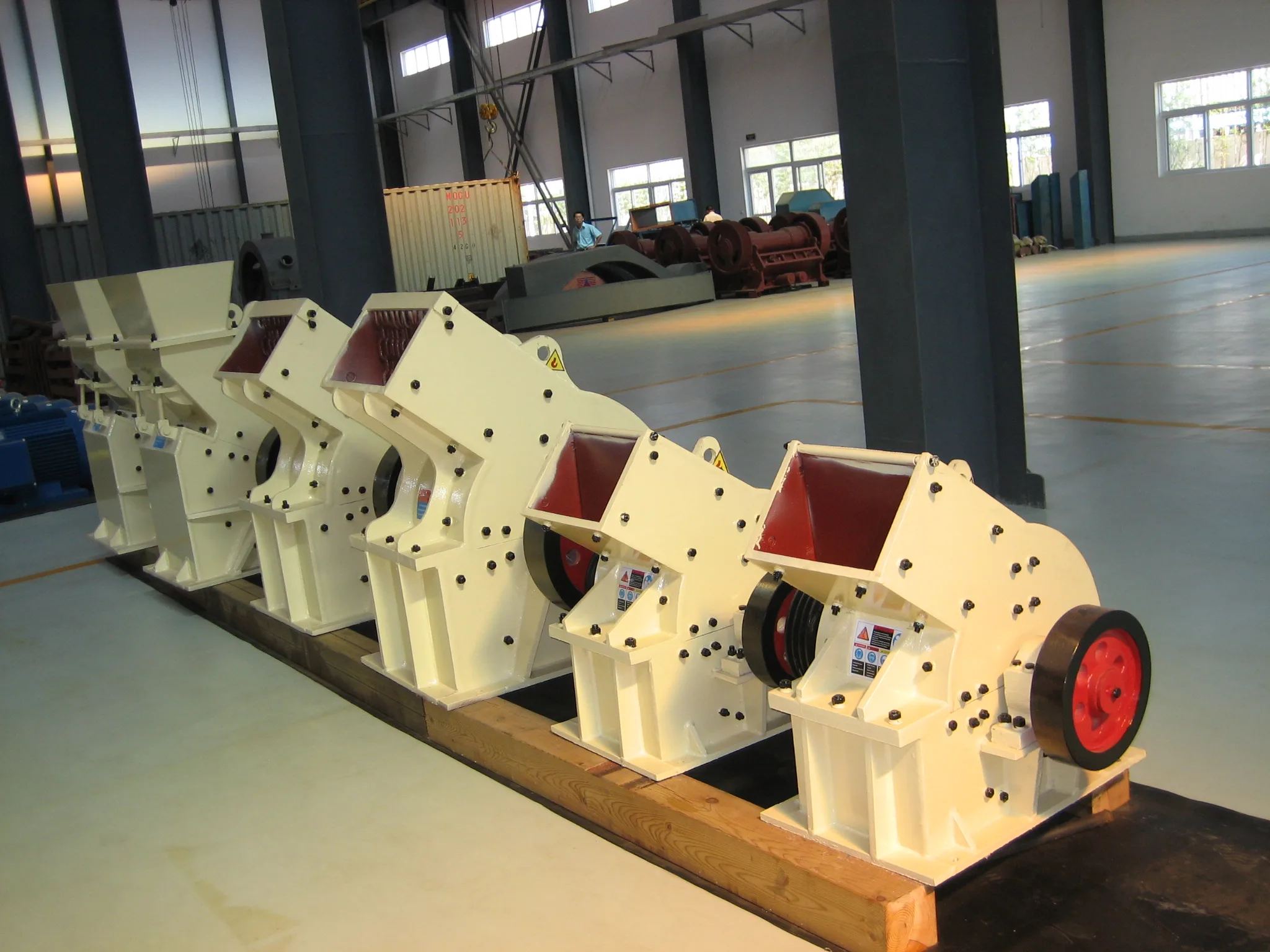
Large crushing ratio combines coarse reduction and fine crushing in a single pass.
Compact construction, fewer auxiliary machines and a lower total equipment cost.
Replaceable grate bars help control discharge size for aggregates and stone powder.
A practical solution for workshops and production lines where installation space matters.
How it works
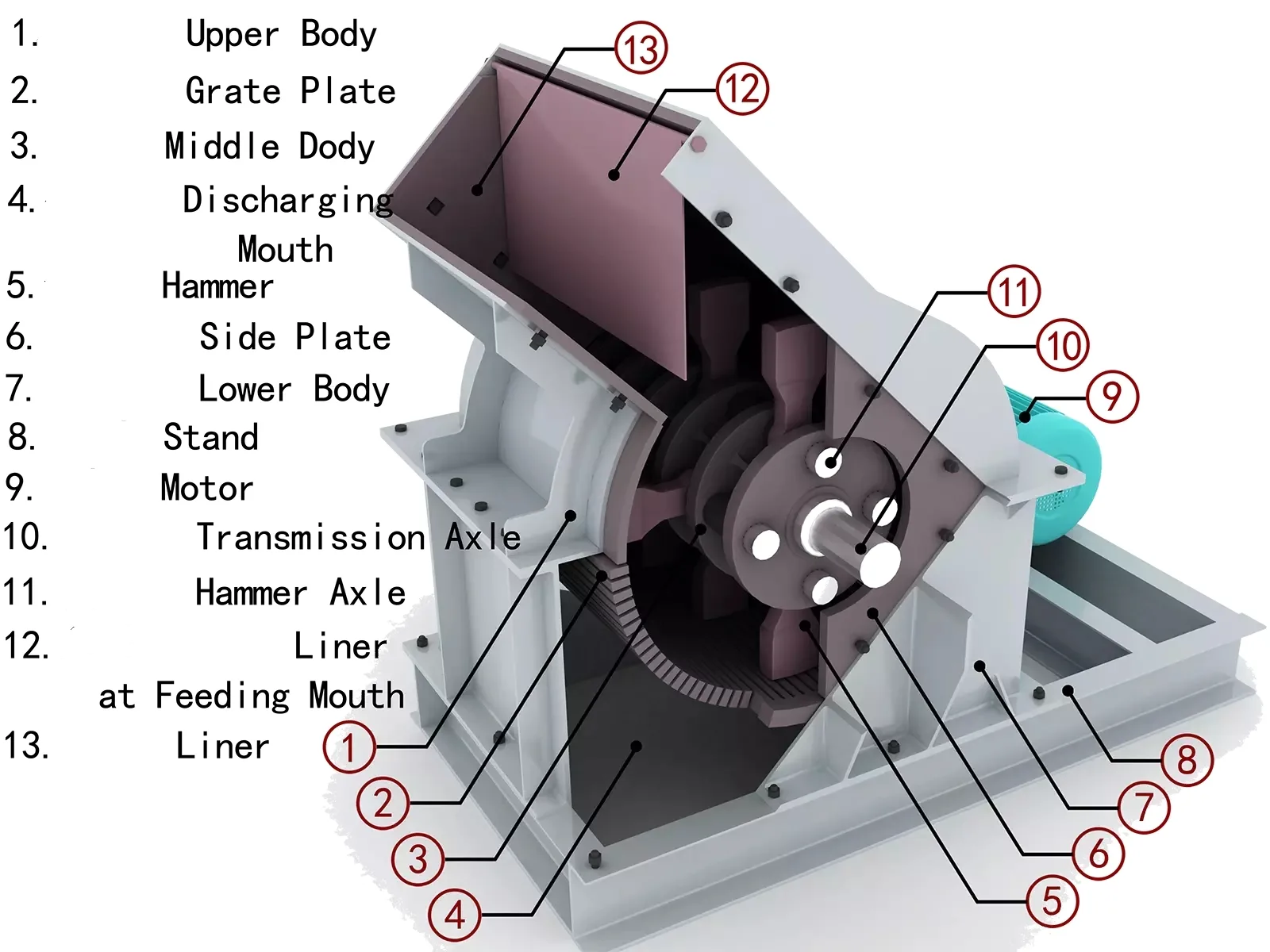
The motor drives the main shaft through a V-belt. As the rotor accelerates, pivoted hammers extend under centrifugal force. Feed entering the chamber is struck at high speed, then repeatedly broken against the impact surfaces and liners.
Material small enough to pass through the lower grate is discharged. Oversized particles remain in the chamber for further impact until they reach the selected size. This closed internal path explains the crusher’s high reduction ratio and fine product.
Machine range
From compact workshop machines to heavy-duty quarry configurations, Cronus matches rotor size, grate opening and motor power to the actual material and target capacity.
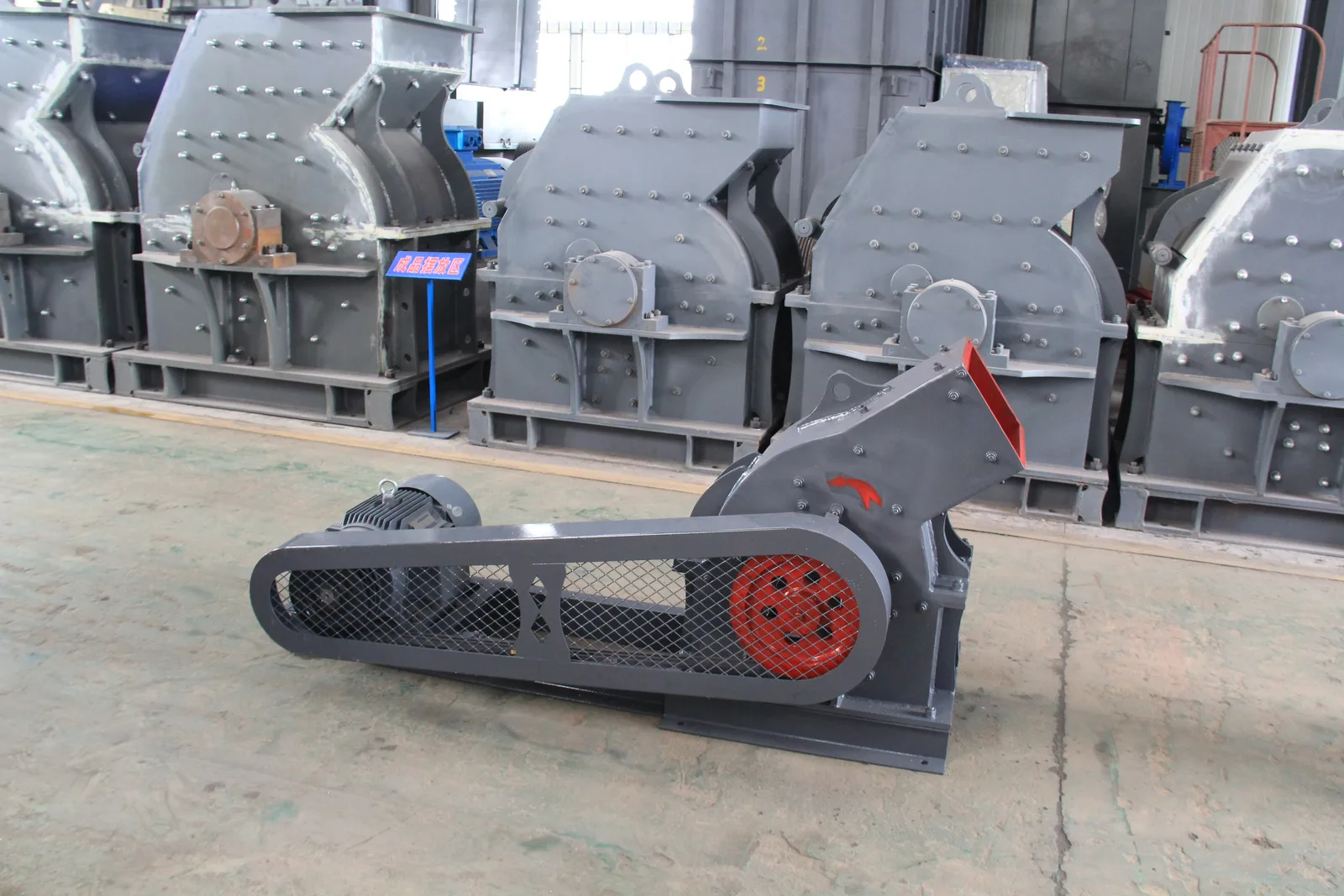
For laboratories, pilot plants, small mines and low-capacity aggregate production.
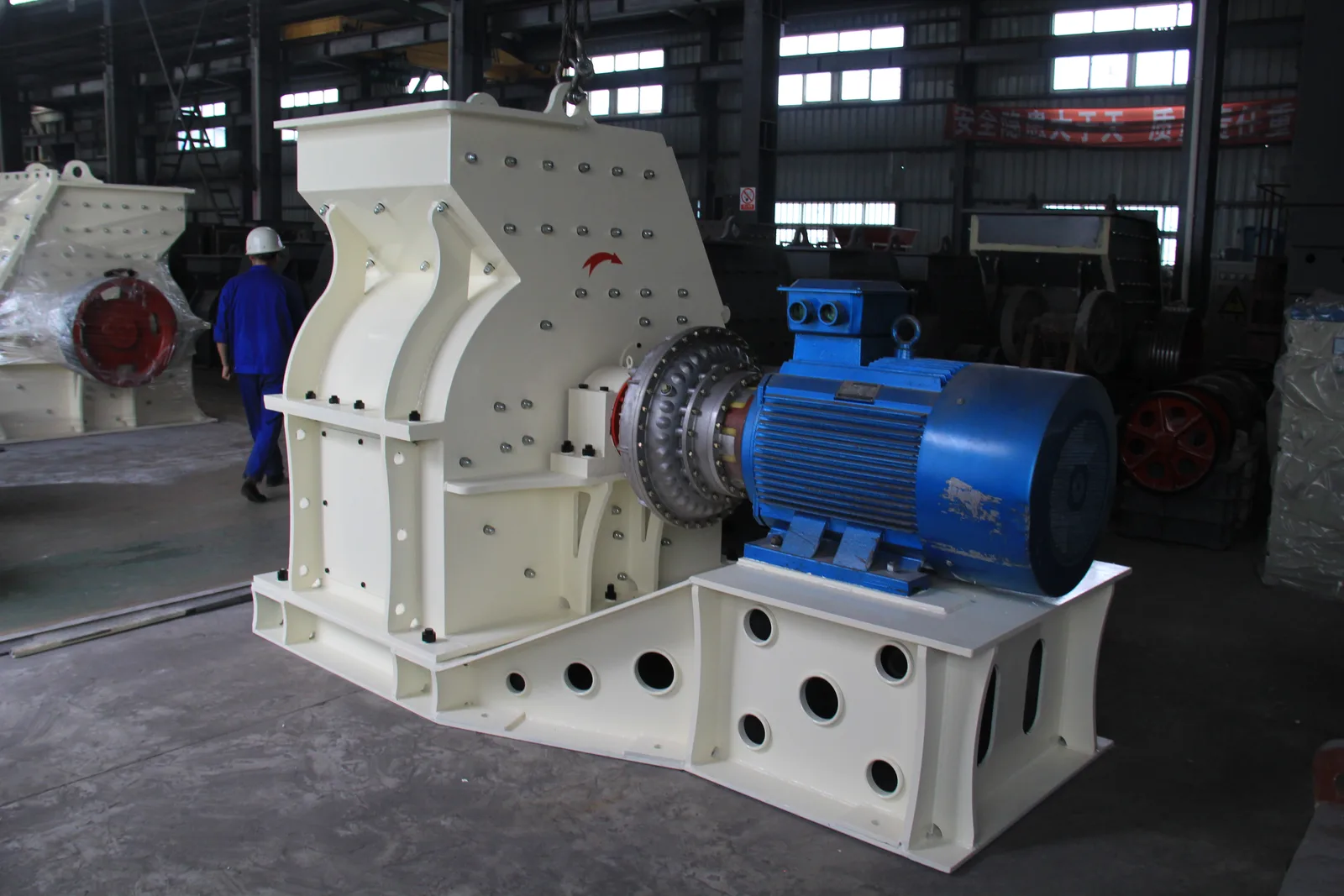
Balanced capacity and footprint for limestone, coal, brick, gypsum and mineral processing.
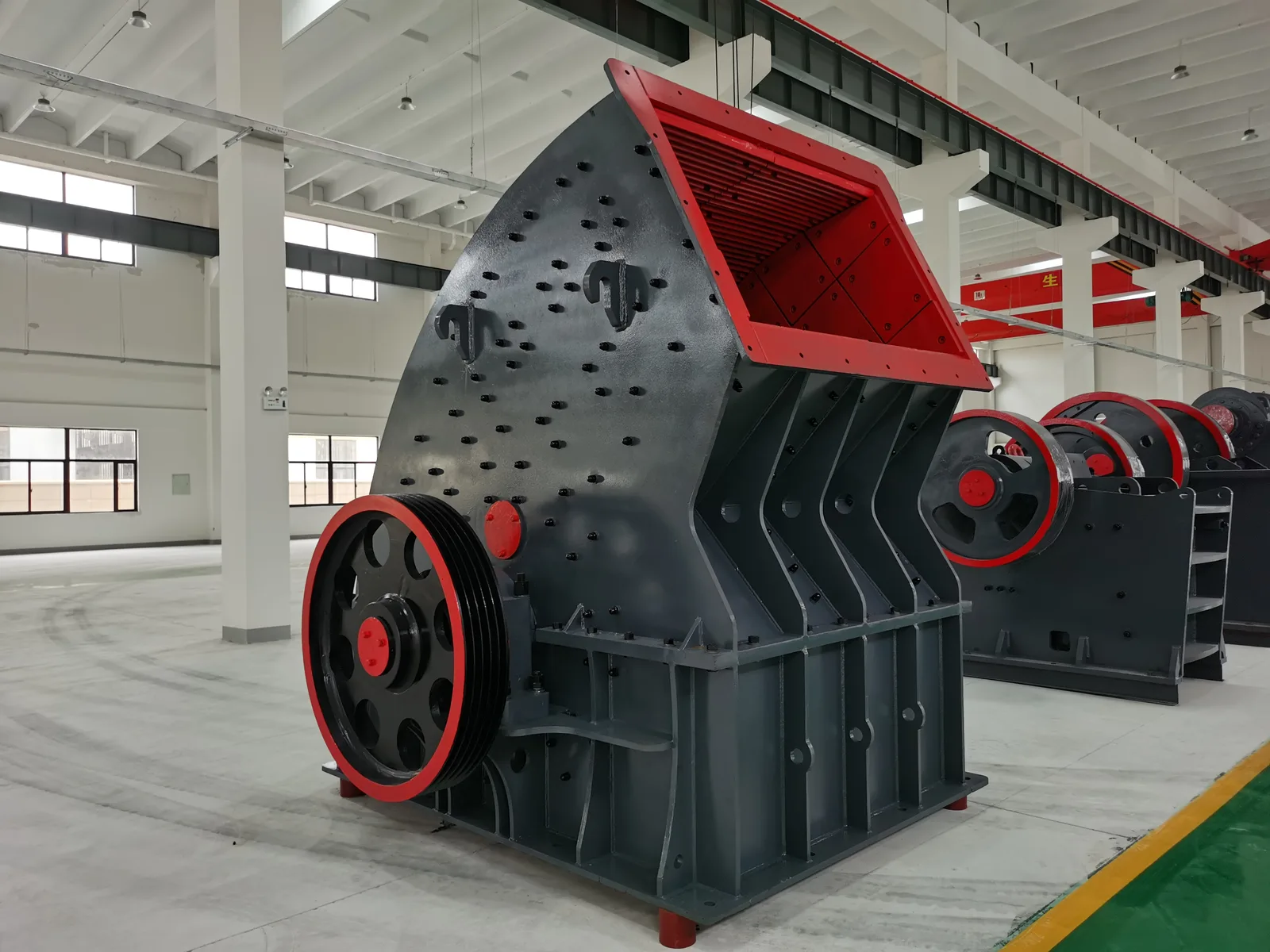
Reinforced configuration for larger feed, higher throughput and continuous duty.
Technical data
Values marked “configured” are finalized after material testing and process review. The first three rotor configurations are verified from the supplied Cronus operating manual.
| Sales model | Rotor Ø × width | Speed | Max feed | Discharge | Capacity | Motor | Hammers | Overall dimensions |
|---|---|---|---|---|---|---|---|---|
| PC300×400 | Ø400 × 300 mm | 1,100 r/min | <100 mm | 5–10 mm | 5–13 t/h | 11 kW | 16 | 900 × 670 × 860 mm |
| PC400×600 | Ø600 × 400 mm | 1,000 r/min | <220 mm | 5–15 mm | 10–20 t/h | 18.5 kW | 20 | 1,200 × 1,050 × 1,200 mm |
| PC600×800 | Ø800 × 600 mm | 900 r/min | <350 mm | 5–20 mm | 18–30 t/h | 45 kW | 28 | 2,360 × 1,490 × 1,415 mm |
| PC800×1000 | Ø1000 × 800 mm | Configured | Material-based | Grate-based | Configured | Configured | Configured | Project-specific |
| PC1000×1200 | Ø1200 × 1000 mm | Configured | Material-based | Grate-based | Configured | Configured | Configured | Project-specific |
Model names may also be written by rotor diameter first (for example, PC400×300). Final selection depends on bulk density, moisture, feed distribution, hardness and required output.
Applications
Best performance is achieved with evenly fed material, compressive strength up to 100 MPa and moisture generally below 10–15%.
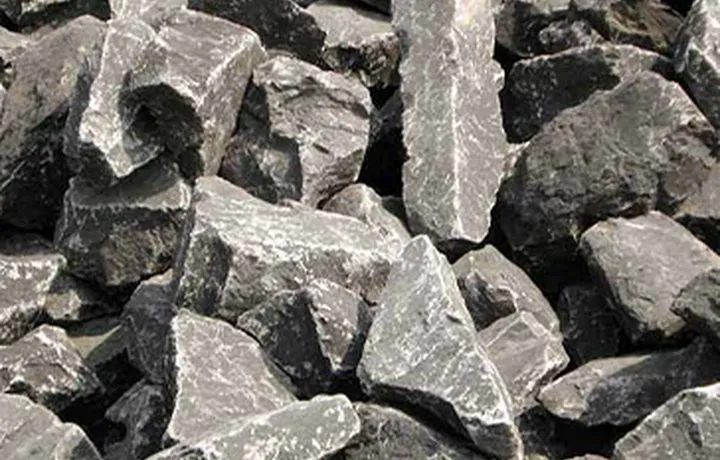
Aggregate, cement and lime preparation
Construction aggregate and road base
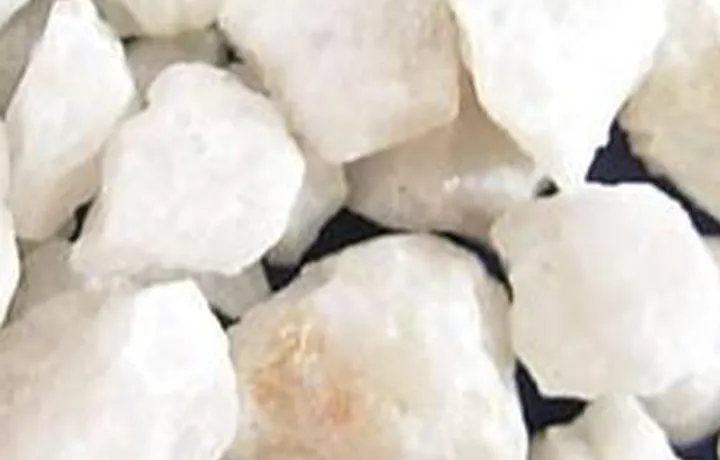
Mineral and building-material processing
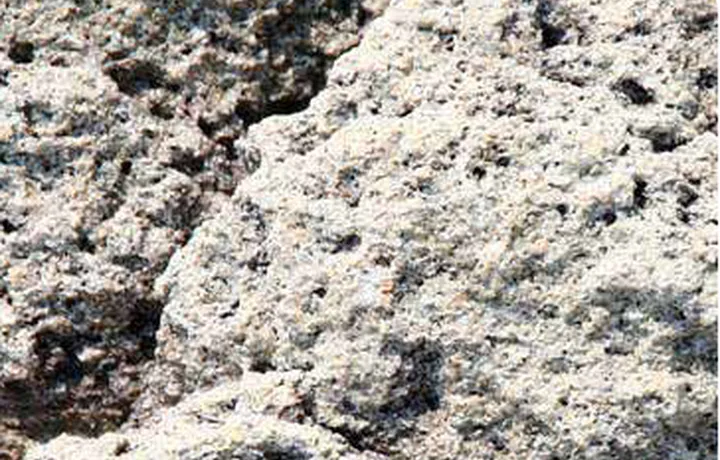
Fuel preparation and industrial processing
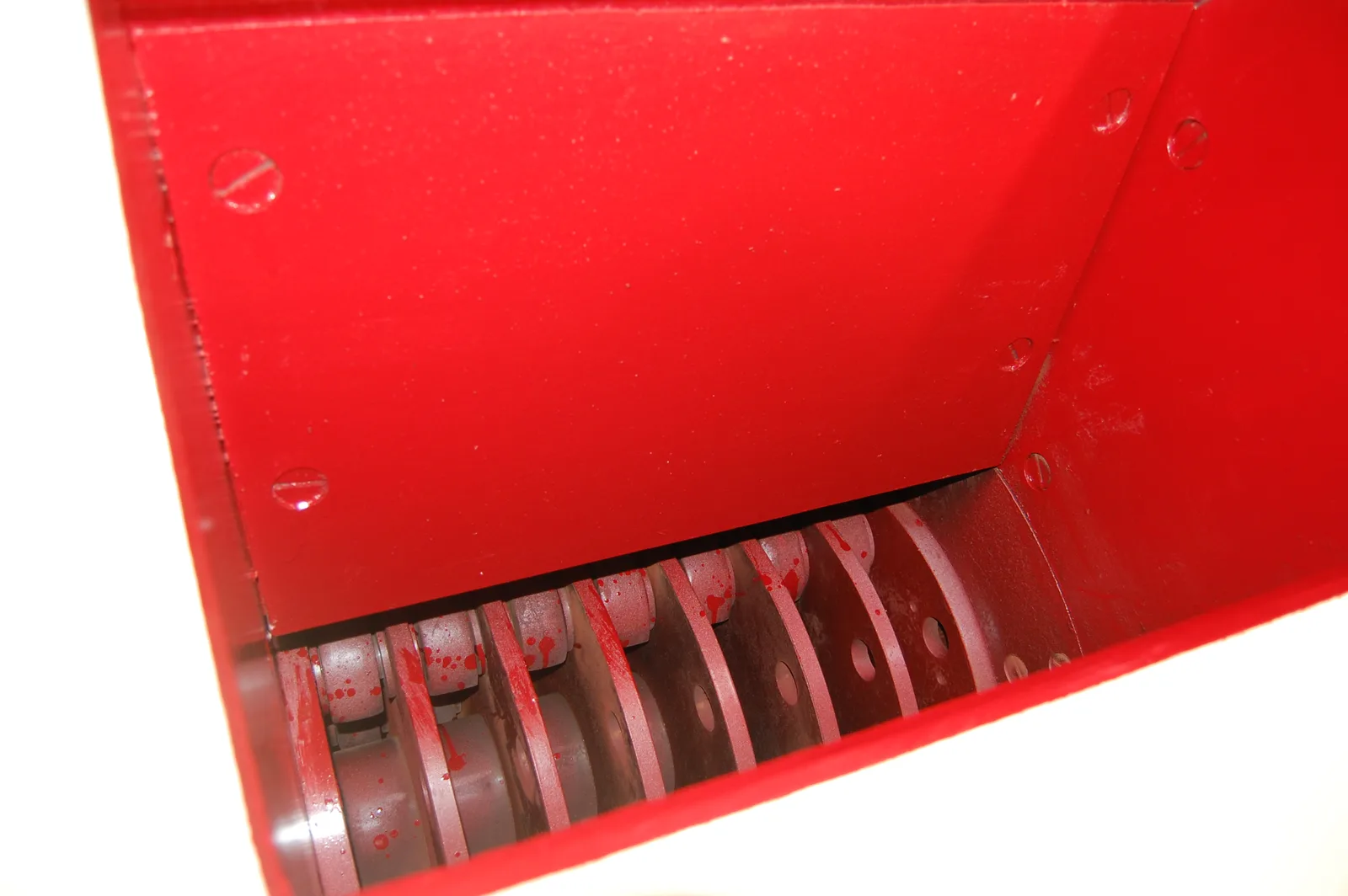
Wear parts & spares
Wear life depends on feed hardness, abrasiveness, moisture and operating practice. Cronus supplies original-dimension parts from its own casting resources, with material selection matched to the duty.
High-manganese steel or high-chromium alloy; the primary consumable in the crushing chamber.
Protect the housing and control final particle size through the selected grate opening.
Precision-matched rotor components designed to maintain stable rotation and hammer movement.
Critical support and protection parts supplied to original assembly dimensions.
Manufacturing references
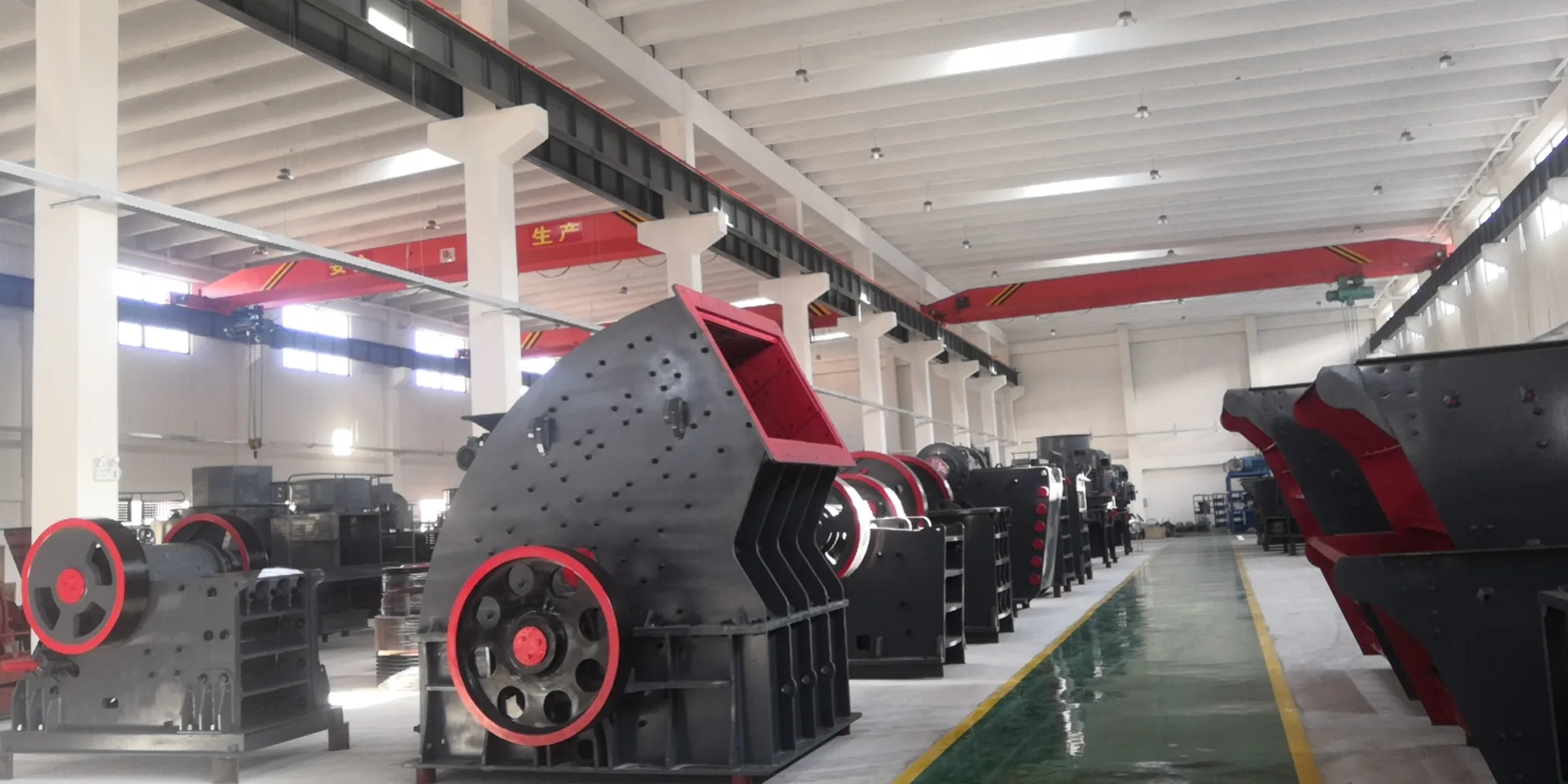
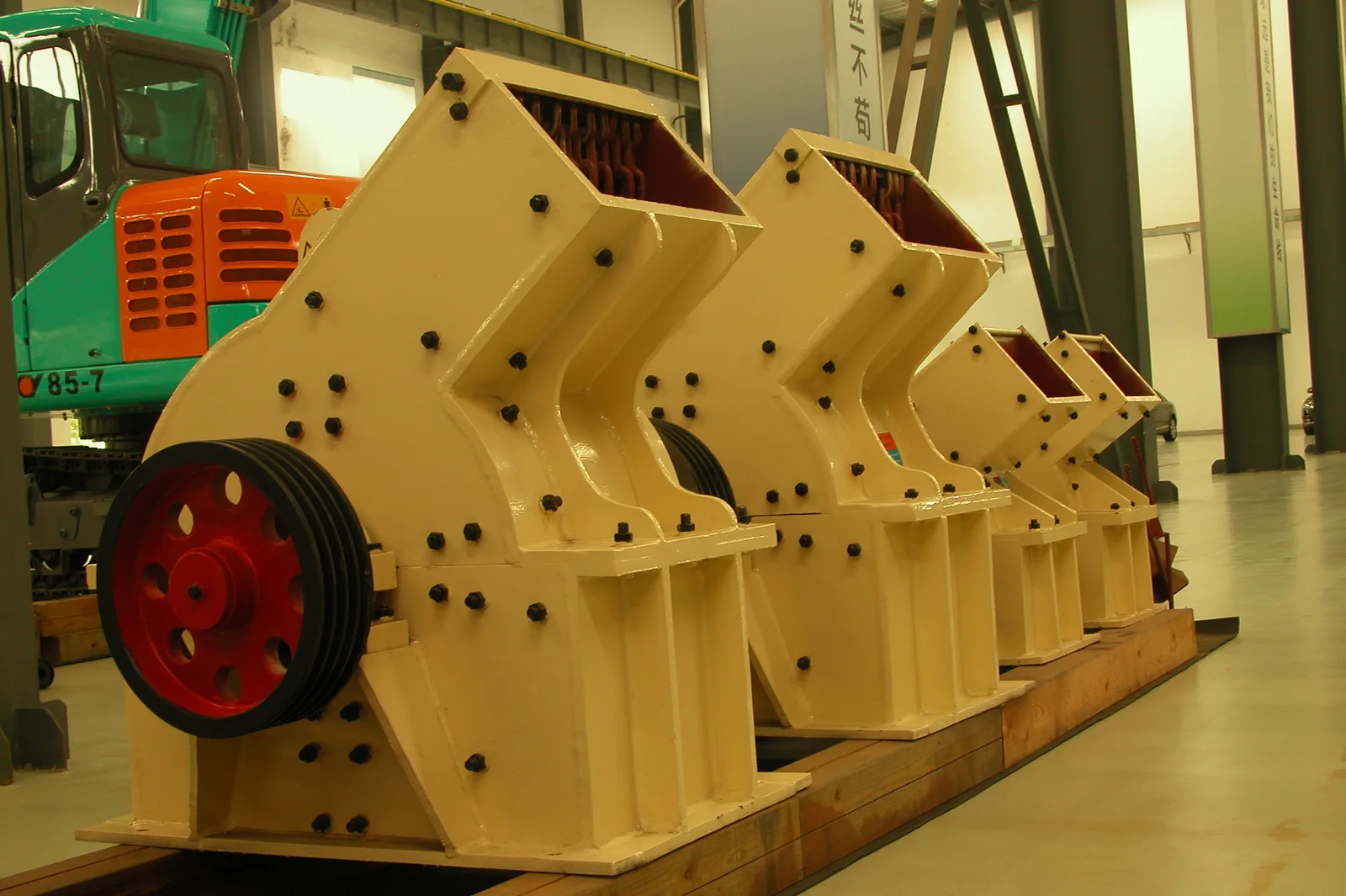
Every configuration is reviewed against feed size, target product, capacity and site conditions before production release.
About Cronus
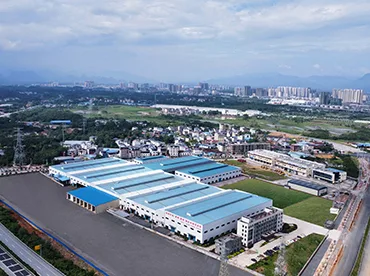
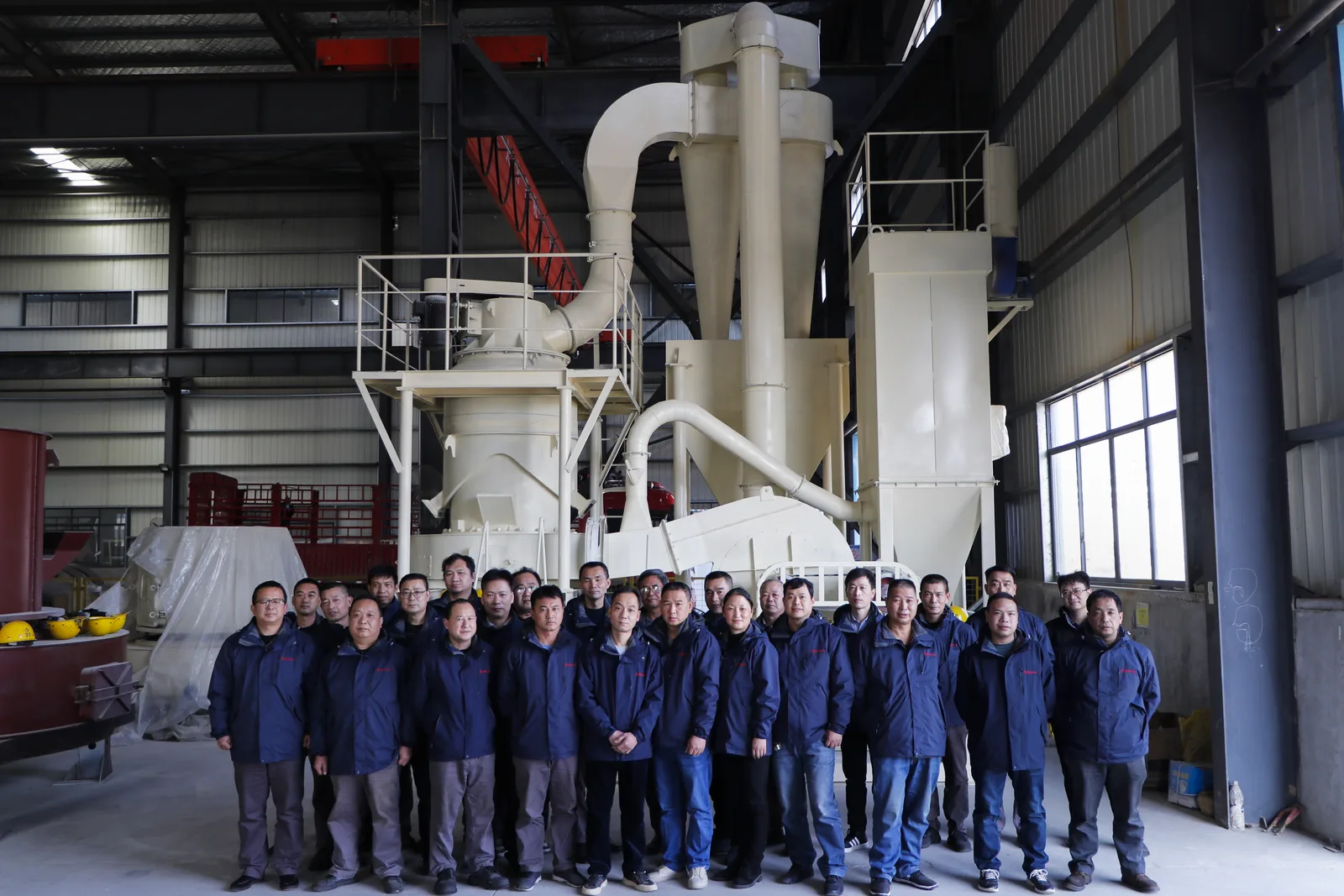
Cronus is the international business subsidiary of Guilin Mining Machinery, a manufacturer founded in 1973. The group combines equipment engineering, casting, machining, assembly, testing and global project support.
Its manufacturing heritage spans more than five decades, supported by enterprise technology capabilities, patented solutions and certified quality systems. Cronus connects this production base with international customers from its Shanghai operation.
Lifecycle support
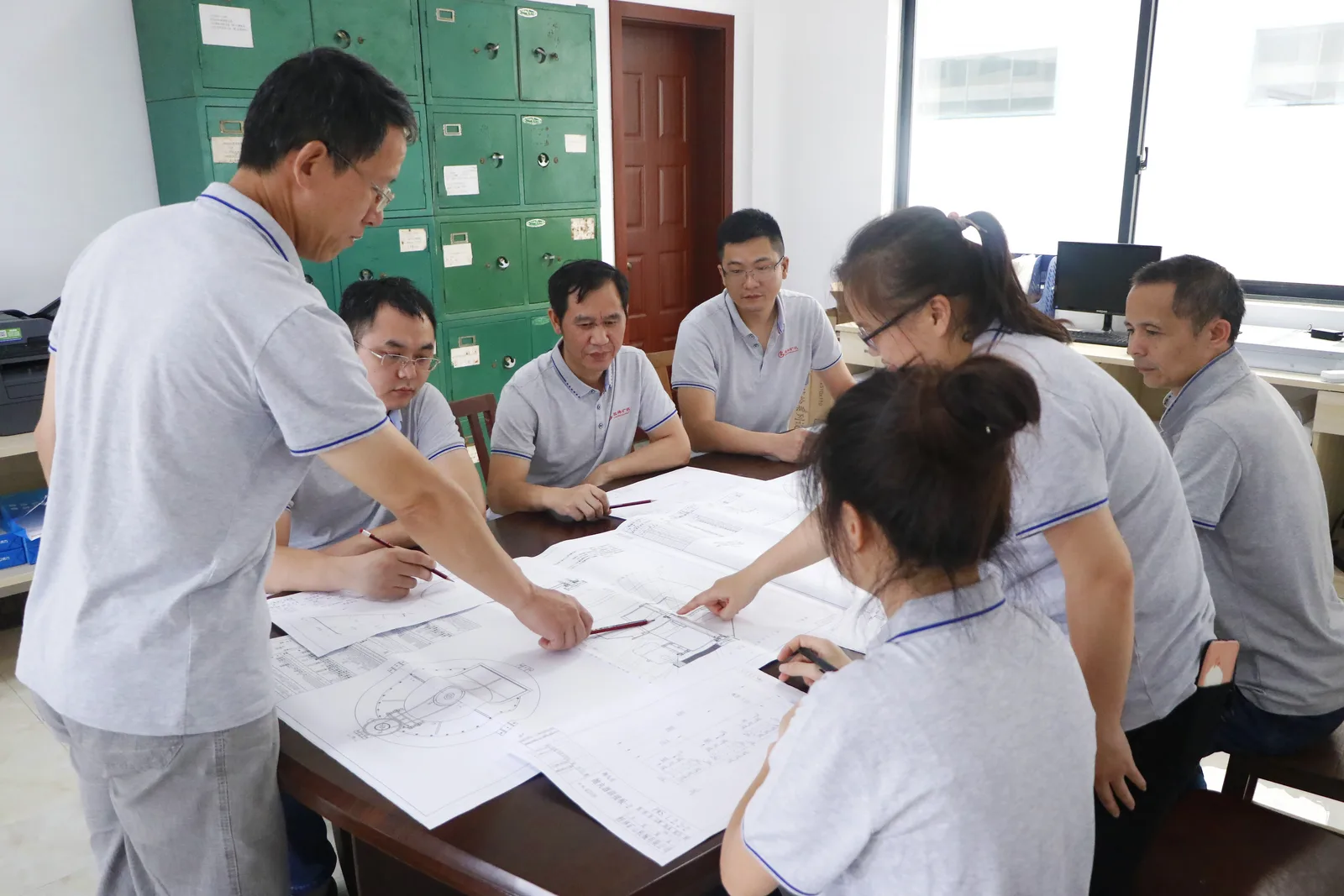
A crusher is only productive when the complete process is right. Our team reviews the material, feed control, foundation, discharge arrangement, dust control and maintenance access before confirming the configuration.
Discuss your processMaterial, capacity, moisture, feed size and target product analysis.
Configuration confirmation, manufacturing, quality inspection and test run.
Foundation guidance, installation support, alignment and safe start-up.
Operating checks, lubrication, wear inspection and preventive maintenance.
Original spares, remote troubleshooting and field support when required.
FAQ
Practical answers for selection, installation and maintenance.
It is suitable for limestone, coal, gypsum, dolomite, brick, slag and other soft to medium-hard materials. The supplied manual recommends compressive strength not exceeding 100 MPa.
For stable discharge, moisture should generally remain below 10–15%. Sticky or wet feed can bridge the grate openings and reduce capacity.
The lower grate opening is the primary control. Rotor speed, hammer condition, feed rate and material properties also influence the finished size.
Yes. The high reduction ratio and repeated impact path can replace separate coarse and fine stages in suitable applications.
Provide material name, compressive strength, bulk density, moisture, maximum feed size, required output size and hourly capacity. Cronus will confirm the rotor, motor and grate configuration.
Hammers consume most frequently. Liners, grate bars, rotor discs, pins, bearings and housing guard plates should also be included in the maintenance plan.
High-manganese steel suits impact-dominant duties, while high-chromium alloy offers higher abrasion resistance. The best choice depends on hardness, silica content and tramp material risk.
Inspect them after shutdown on a schedule based on operating hours and material abrasiveness. Uneven hammer wear should be corrected in balanced sets to protect the rotor and bearings.
Use a controlled, even feed. Remove uncrushable metal and avoid overfeeding, which can overload the motor and fill the crushing chamber.
Yes. The foundation must consider machine loads, vibration isolation and unobstructed discharge. Final foundation drawings are supplied with the selected model.
Yes. Feeders, conveyors, magnetic separation, dust collection, screens and downstream grinding equipment can be integrated around the crusher.
A technical proposal can include model selection, key specifications, motor power, scope of supply, delivery schedule, price, foundation requirements and recommended spare parts.
Start your project
Our application team will recommend a model, grate range, motor and supporting equipment for your process.